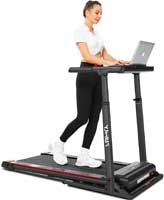
If you’re wondering how to use a walking treadmill to lose weight effectively, you’re in the right place. Below is a simple, realistic way to build a treadmill walking routine—plus practical tips to help you burn more calories without feeling overwhelmed.
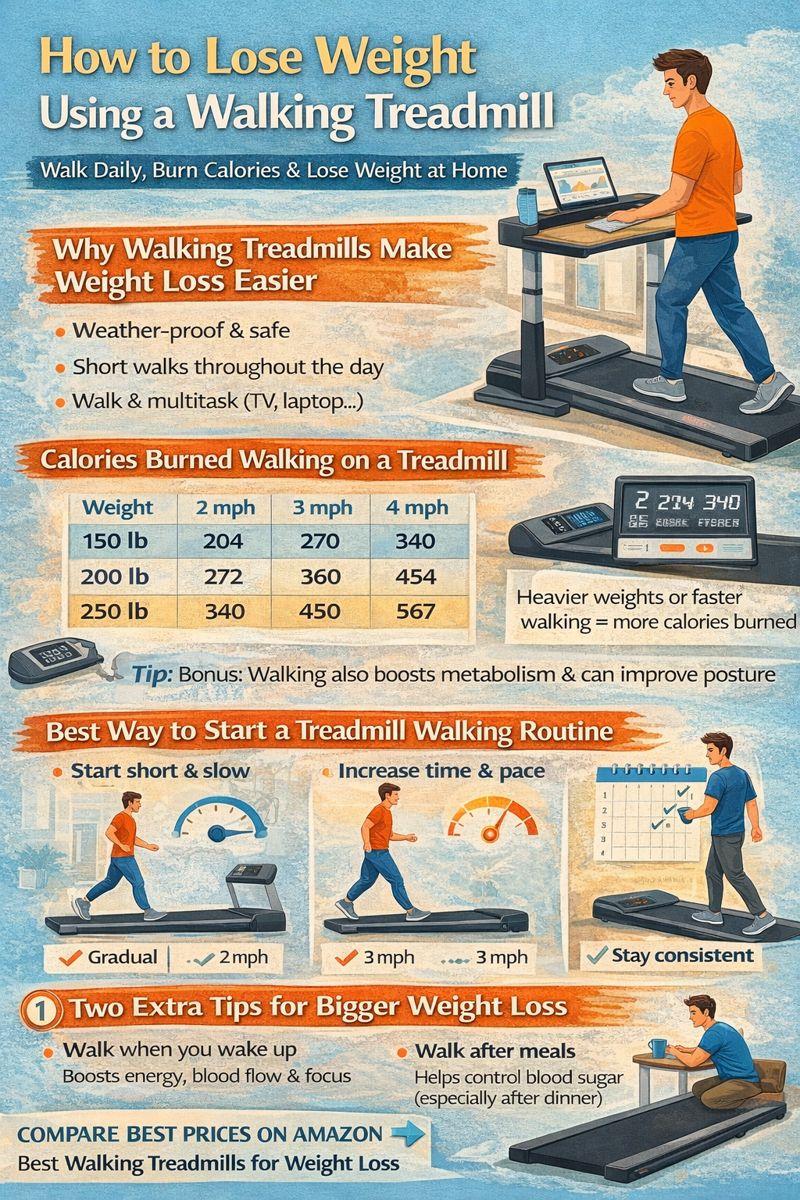
Why Walking Treadmills Make Weight Loss Easier
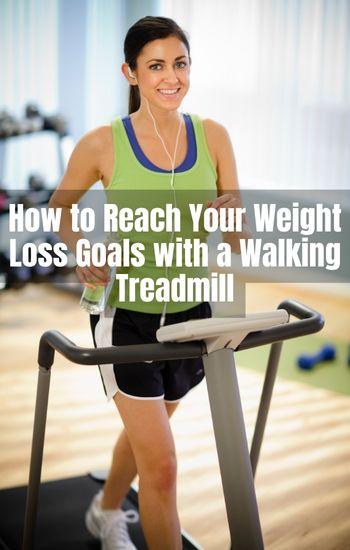
Walking is one of the most effective—and sustainable—ways to lose weight. The problem is that outdoor walking isn’t always convenient. Bad weather, extreme heat, uneven terrain, or low-light conditions can easily derail consistency.
Walking treadmills remove those barriers. You can walk anytime, at any pace, in a safe and controlled environment. Even better, you can break walking into short sessions throughout the day instead of relying on one long workout.
Another big advantage: treadmill walking fits seamlessly into daily life. You can watch TV, attend meetings, answer emails, or work at a treadmill desk while you walk—something that’s nearly impossible outdoors.
Why Walking Works for Weight Loss
Unlike many forms of exercise, walking doesn’t require special skills, intense conditioning, or recovery days. It’s low-impact, easy on the joints, and accessible for almost every fitness level.
This makes walking especially effective for people who are sedentary, easing back into movement, or looking for a long-term weight loss strategy rather than a quick fix.
Another overlooked benefit: walking doesn’t spike cortisol the way high-intensity workouts often do. Lower stress hormones can support better sleep, more stable blood sugar, and improved appetite regulation.
Important perspective: Walking may not leave you gasping for air or sore the next day—but staying lightly active all day often leads to better fat loss than one intense workout followed by hours of sitting.
How to Start a Treadmill Walking Routine
After more than a decade of using a treadmill desk, I’ve learned that consistency matters far more than intensity.
You don’t need hour-long walking sessions to see results. What works surprisingly well is walking every day—even in short blocks.
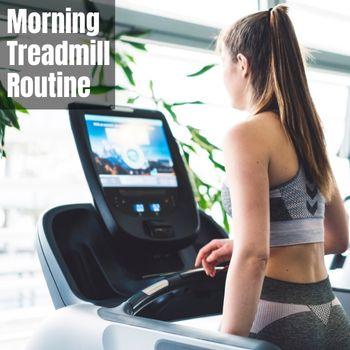
For example, I start most mornings with a one-mile walk (about 20–25 minutes at 2.5–3 mph) while checking email and reading the news. It’s an easy habit that adds movement before the day gets busy.
How Many Calories Does Walaking onn a Treadmill Burn?
Calories burned while walking depend on body weight, pace, and duration. The chart below shows estimated calories burned per hour at common walking speeds.
| Weight | 2 mph | 3 mph | 4 mph |
|---|---|---|---|
| 150 lb | 204 | 270 | 340 |
| 200 lb | 272 | 360 | 454 |
| 250 lb | 340 | 450 | 567 |
As expected, heavier body weight and faster walking speeds result in higher calorie burn. However, longer and more frequent walking sessions often matter more than speed alone.
Bonus benefit: Walking helps strengthen leg muscles, supports metabolic health, improves posture, and may reduce back pain—especially if you spend long hours sitting.
How to Increase Weight Loss Results with Treadmill Walking
The most effective treadmill routine is one you can maintain. Start with manageable sessions at a comfortable pace, then gradually increase time or speed as your fitness improves.
Avoid the temptation to overdo it early. Walking five hours a day isn’t necessary—and often backfires.
Two timing strategies that work especially well:
Morning walking: A short walk shortly after waking helps boost energy, circulation, and mental focus—often better than caffeine.
Post-meal walking: Even 10 minutes of walking after meals may support digestion and help blunt blood sugar spikes. A portable walking pad makes this easy without leaving home.