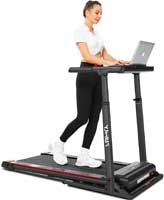
Using an under-desk treadmill is a smart way to move more during work. But if your posture slips, your neck, back, and wrists will notice. This guide shows you how to set up your treadmill desk posture so you feel steady, comfortable, and focused.
Quick answer: Keep your head stacked over your shoulders, elbows near 90 degrees, and steps short. Walk slower for typing. Raise your screen to eye level. Take posture resets every 20–30 minutes.
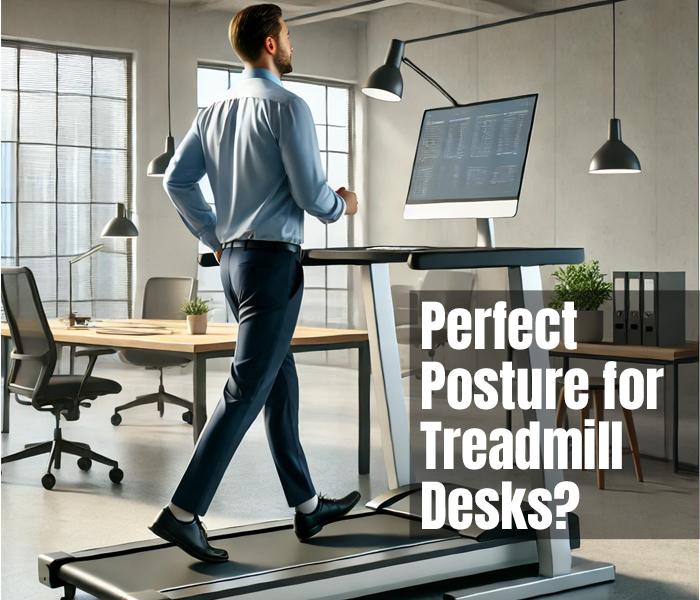
Why Posture Matters on a Treadmill Desk
Walking while working adds a small challenge. Your body must stabilize, type, and focus at once. Good posture keeps the load on your bigger muscles, not your joints.
- Less back and neck tension: Your spine stays supported.
- Better typing comfort: Your shoulders and wrists relax.
- More focus: When your body feels steady, your brain works better.
- Lower injury risk: Less strain from leaning or reaching.
If your setup feels “off,” start here: desk ergonomics for treadmill desks.
People Also Ask
How do I stand on a treadmill desk without back pain?
Keep your ribs stacked over your hips. Raise your screen. Slow your pace. Stop leaning on the desk.
What is the best treadmill desk posture for typing?
Use a slower speed, keep elbows close, and type with relaxed shoulders. Use a keyboard and mouse at elbow height.
Should I hold the desk while walking?
Lightly resting your hands is fine at first. Avoid gripping hard or leaning forward. That causes neck strain.
What speed keeps posture stable while working?
Most people feel stable at 0.8–1.8 mph. Faster speeds often pull your posture forward.
Checklist: Posture Essentials (Fast Self-Check)
Run this checklist before a long work block. Fixing one item often solves the rest.
- Desk height
- Hands land at elbow height. Elbows bend near 90 degrees.
- Screen height
- Top third of the screen sits near eye level.
- Walking speed
- Use 0.8–1.5 mph for typing. Use up to 2.0 mph for calls and reading.
- Step length
- Keep steps short and quiet. Avoid reaching with your feet.
- Body alignment
- Head over shoulders. Shoulders over hips. Hips over feet.
- Hands and grip
- Float your hands. Do not lean on the desk edge.
Need a desk that makes posture easier? See: best desks for under-desk treadmills.
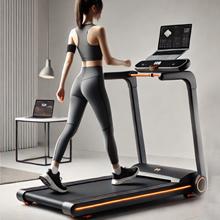
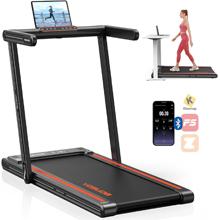
Product callout: If you struggle with posture drift, look for a walking pad that feels stable at slow speeds. Smooth belt tracking helps you stay centered.
Step-By-Step: Set Up Perfect Treadmill Desk Posture
Do this once, then only make small tweaks later. Your body will feel the difference fast.
- Set your speed first
- Start at 0.8–1.2 mph. You can go faster after you feel stable.
- Raise the screen
- Use a monitor arm or laptop stand. Avoid looking down for long.
- Lock desk height
- Forearms should be level. Wrists stay straight while typing.
- Center your body on the belt
- Stand tall and step under your hips. Do not reach forward.
- Relax your shoulders
- Drop them down and back. Keep elbows close to your sides.
- Do posture resets
- Every 20–30 minutes, pause and re-stack head, ribs, hips.
If you feel distracted or unstable, slow down. Also check noise and vibration. This helps in shared spaces: how to make a treadmill desk quieter.
Common Posture Mistakes (And Quick Fixes)
- Leaning on the desk: Raise the desk slightly and slow your pace.
- Neck craning forward: Move the screen closer and higher.
- Typing with tense shoulders: Pull elbows in and lower speed.
- Overstriding: Shorten steps and land softly under your hips.
- Twisting to reach the mouse: Keep mouse close and centered.
For injury prevention habits, read: how to avoid treadmill desk injuries.
Pros And Cons of Walking While Working
| Aspect | Pros | Cons |
|---|---|---|
| Health | More daily movement and fewer long sitting blocks | Poor setup can trigger soreness |
| Work | Steady energy for calls and light tasks | Hard tasks may need sitting |
| Posture | Can reinforce tall standing and core engagement | Leaning and reaching are common mistakes |
Specific Examples
- Tight space: A laptop stand and external keyboard prevent neck bend.
- Long workday: Short walk blocks reduce fatigue and keep posture clean.
- Shared office: Slower speeds and stable footing reduce vibration and noise.
Alternatives That Still Support Good Posture
- Standing desk converter: Alternate walking and standing without changing your desk.
- Ergonomic chair breaks: Sitting resets your feet and lower legs.
- Micro-stretches: Quick calf, hip, and wrist stretches reduce tension.
Want a simple daily plan? See: how long to walk each day on a treadmill desk.
FAQs
What is the best posture for a treadmill desk?
Stand tall with your head over shoulders and shoulders over hips. Keep elbows near 90 degrees and take short steps.
How do I stop leaning forward while walking and typing?
Raise your desk slightly, move your screen closer, and slow down. Keep elbows close to your body.
What treadmill desk speed helps maintain posture?
Most people hold posture best around 0.8–1.8 mph. Use the slower end for heavy typing.
Should I wear shoes on an under-desk treadmill?
Most people feel better with supportive shoes. Cushioning helps with longer sessions.
How often should I check my posture?
Do a quick reset every 20–30 minutes. Also reset after calls or long typing sprints.
Conclusion
Good posture makes treadmill desk walking feel easy. Start with a slower speed, raise your screen, and keep elbows comfortable. Take short steps and do quick posture resets during the day. When your alignment is solid, work feels smoother too.