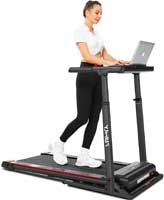
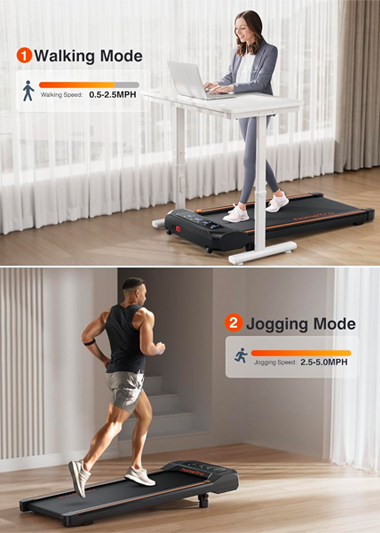
Incline walking pads are made for people who want more than “easy steps.” By adding a slope, they turn basic walking into a hill-style workout that hits your heart rate faster and wakes up your glutes and calves.
Most models keep things simple: compact footprint, quick start controls, and just enough incline to make your legs work harder. If you’re shopping now, you’ll notice that many include an adjustable slant so you can choose “gentle hill” or “this counts as hiking.”
People buy incline walking pads for three main reasons: (1) higher calorie burn than flat walking, (2) stronger lower-body engagement, and (3) an indoor option that doesn’t depend on weather or safe outdoor routes.
Good to know: If you’re using a walking pad under a standing desk for typing or mouse work, you’ll usually want the pad flat while you work. Save the incline for workout blocks before work, after work, or during breaks.
People Also Ask
Are incline walking pads worth it?
If you want a tougher walk in the same amount of time (and more glute/calf involvement), yes—incline gives you more “work” per minute.
Can I use incline while working at my desk?
You can, but most people type best on a flat deck. Incline changes your posture and can mess with desk ergonomics over long sessions.
What incline is best for beginners?
Start low (around a gentle hill) and build up after your calves and hips adapt.
How long should I walk on an incline pad?
Start with short blocks and increase gradually. If you’re doing treadmill-desk walking too, here’s a helpful guide: how long should you walk on a treadmill desk.
Typical Size (Will It Fit My Space?)
Most walking pads are designed for apartments and home offices. You get enough deck space for a natural walking stride without needing a full gym corner.
Typical measurements:
- Length: Between 50 to 60 inches (127 to 152 cm)
- Width: Approximately 20 to 30 inches (51 to 76 cm)
- Height: Usually less than 10 inches (25 cm)
That low profile is what makes them so convenient—many can slide under a bed or couch when you’re done.
If storage is a top priority, you may also want a foldable model. See: foldable treadmill walking pads.
Our Top 3 Picks for Incline Treadmills:
We chose these models for (1) higher tilt options, (2) quieter operation, (3) 2.5 HP motors designed to last longer, (4) shock-absorbing support, (5) remote controls, (6) wheels for easier storage, and (7) 300+ lb weight capacity.
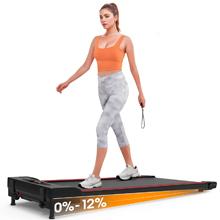
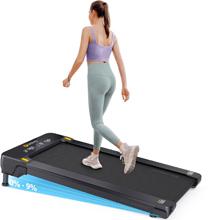
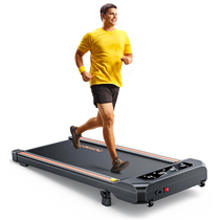
StandUpWorkStyle note: If you share walls or work near sleeping kids/roommates, noise matters. Walking pads are usually quieter than full treadmills, but setup makes a big difference. See: are walking treadmills noisy.
Key Features to Look For:
1) Adjustable incline (real incline, not just a “fixed wedge”).
This is the whole point. More incline options let you match the workout to your legs and lungs—easy hill for recovery days, steeper incline when you want intensity.
2) Solid frame + stable deck.
A good incline pad should feel planted, not wobbly. If you notice shaking at faster walking speeds, that’s a red flag for long-term comfort and durability.
3) Cushioning and shock absorption.
Incline increases load on your calves, knees, and hips. A cushioned deck helps reduce “hard pavement” impact. It also tends to make the machine quieter.
4) Controls you can use mid-stride.
Remote controls and simple buttons matter more than people think. You want to adjust without breaking rhythm. If you like the auto-incline feature, check out the UREVO with remote control.
Note: The average maximum weight capacity for standard walking pads typically ranges from 220 to 300 pounds, ensuring stability and safety during use.
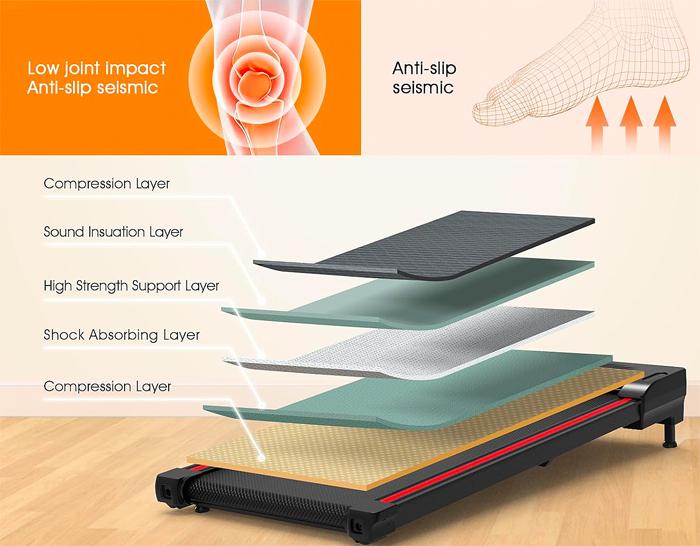
Incline models can work well for beginners because you control the challenge. Start on a mild incline, keep speed modest, and build gradually.
Incline VS Flat Walking Pads – What’s Better?
| Aspect | Incline Walking Pads | Flat Walking Pads |
|---|---|---|
| Calorie Burn | Higher due to increased intensity | Lower compared to uphill walking |
| Muscle Engagement | More glutes/calves + stronger leg drive | Mostly legs at a lighter load |
| Cardiovascular Fitness | More heart-rate response in less time | Good benefits with less intensity |
| Space Requirement | Compact, home-office friendly | Compact, and some treadmills are foldable. |
| Cost | Often higher due to incline hardware | Usually the more budget-friendly option |
| Beginner-Friendly | Beginner-friendly if you start low | Usually easiest place to start |
| Overall Intensity | Can feel like hiking indoors | More moderate and steady |
If you’re choosing between walking pads and full treadmills, this comparison helps: walking treadmill vs regular treadmill.
Walking Pads for Fitness:
Incline walking is a sneaky-effective fat loss tool because it raises intensity without requiring running. It also targets calves and glutes and can improve uphill endurance for hiking. Here are two simple programs you can rotate through.
Interval Workout (Beginner-Friendly Hills)
- Warm-Up (5 minutes): Easy flat walking or very low incline at a comfortable pace.
- Main Set (20 minutes):
- Hard block (2 minutes): Brisk walk and/or slightly higher incline.
- Easy block (1 minute): Reduce incline and pace so breathing settles.
- Repeat: Cycle hard/easy blocks for 10 rounds.
- Cool Down (5 minutes): Lower incline, slow pace, and shake out your calves.
Endurance Workout (Steady Climb)
- Warm-Up (5 minutes): Comfortable pace on flat or mild incline.
- Steady Walk (30–60 minutes):
- Choose a pace where you can talk in full sentences.
- Keep posture tall and gently brace your core.
- Optional “Hill waves” (30 minutes):
- Every 5–10 minutes, increase incline a step, then drop it back down for recovery.
- Cool Down (5 minutes): Gradually reduce incline and speed.
Want a consistency goal that pairs well with incline days? Try stacking incline workouts with desk-walking step goals: how to get in 10,000 steps a day.
Best Shoes for Walking Pads: Prioritize cushioning, arch support, and a stable fit. A roomy toe box and solid traction help you feel secure on the belt.
Popular brands like Nike, Adidas, and New Balance offer a range of walking shoes designed for treadmill use.
Do Incline Treadmills Come with Any Risks?
Yes—mainly when people go too hard too soon or use incline for long desk-work sessions. Common issues include calf tightness, joint irritation, and low back fatigue if posture slips.
Safety basics: start easy, keep posture tall, and use supportive shoes. If you’re building a treadmill desk routine, it also helps to prevent overuse: avoid treadmill desk injuries.
1. Begin Slowly:
Your calves and Achilles tendons often feel incline walking first. Starting gradually gives those tissues time to adapt, which is the difference between “nice workout” and “why are my calves screaming for three days?”
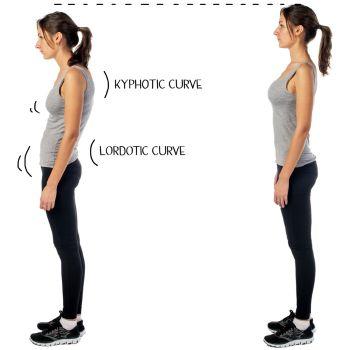
2. Walk with Good Posture:
Think “tall spine, relaxed shoulders, chin level.” On incline, it’s easy to lean forward and overwork your low back. Keep your core gently engaged and let your legs drive the movement instead of hinging at the waist.
If you’re desk-walking often, this posture guide is worth bookmarking: treadmill desk posture.
3. Wear Supportive Footwear:
Incline adds pressure through your forefoot and calves. Supportive shoes reduce stress on ankles, knees, and hips and can help prevent flare-ups like plantar fasciitis.
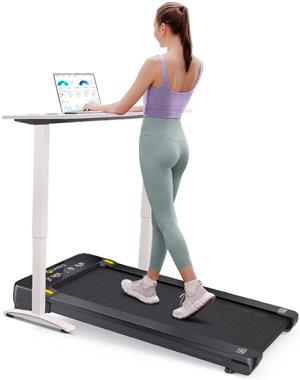
Keep Treadmill Flat While Working at Standing Desk: Working at a desk already requires proper ergonomic setup to prevent strain or injury.
Adding an uphill slant to the treadmill can disrupt the ergonomic alignment of the body. This can potentially lead to discomfort or musculoskeletal issues, especially with everyday use.
Conclusion:
Incline walking pads are a smart way to make indoor walking feel more like hiking—without taking up much space. The best models combine adjustable incline, stable frames, joint-friendly cushioning, and simple controls that don’t interrupt your stride.
Use incline for workout blocks (intervals or endurance), keep your posture tall, and wear supportive shoes. Done right, incline walking becomes one of the easiest ways to build consistency and burn more calories in less time.